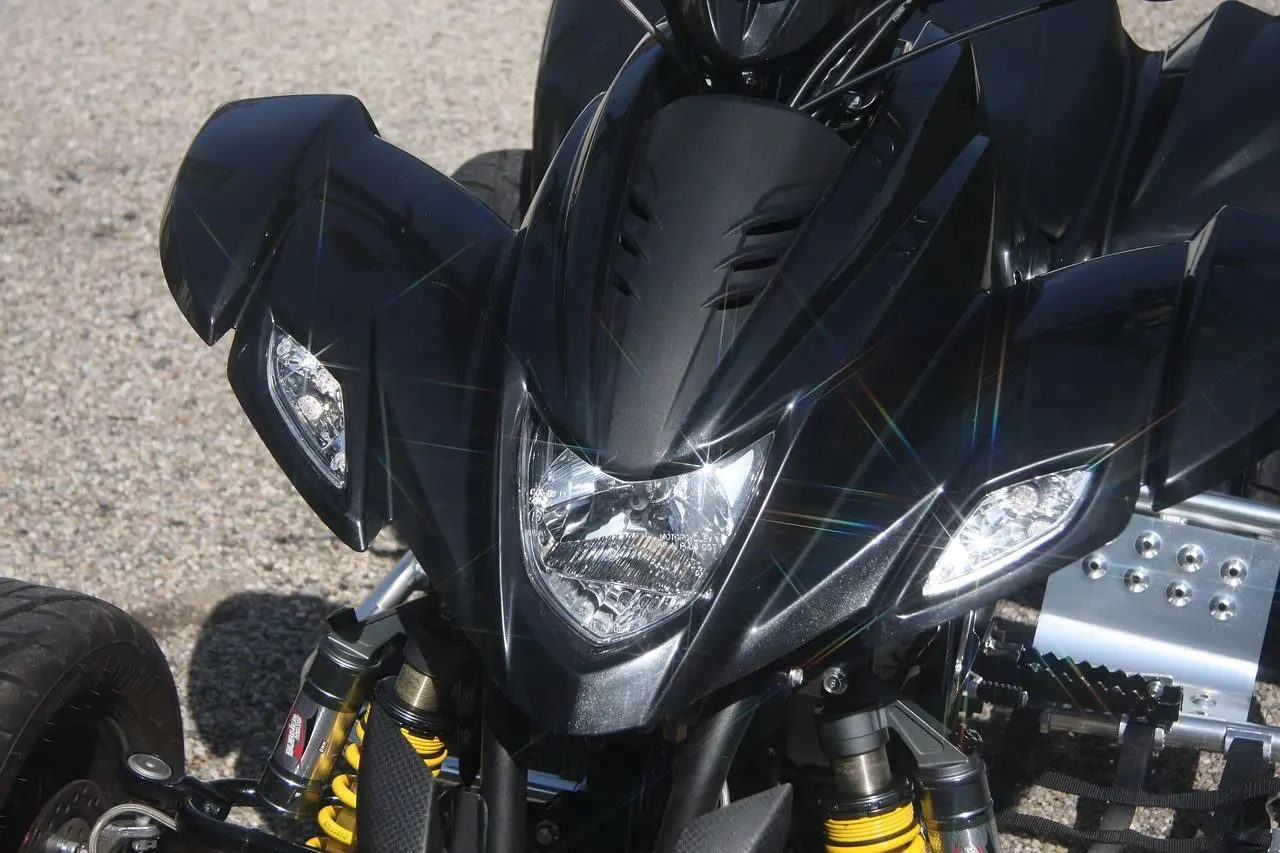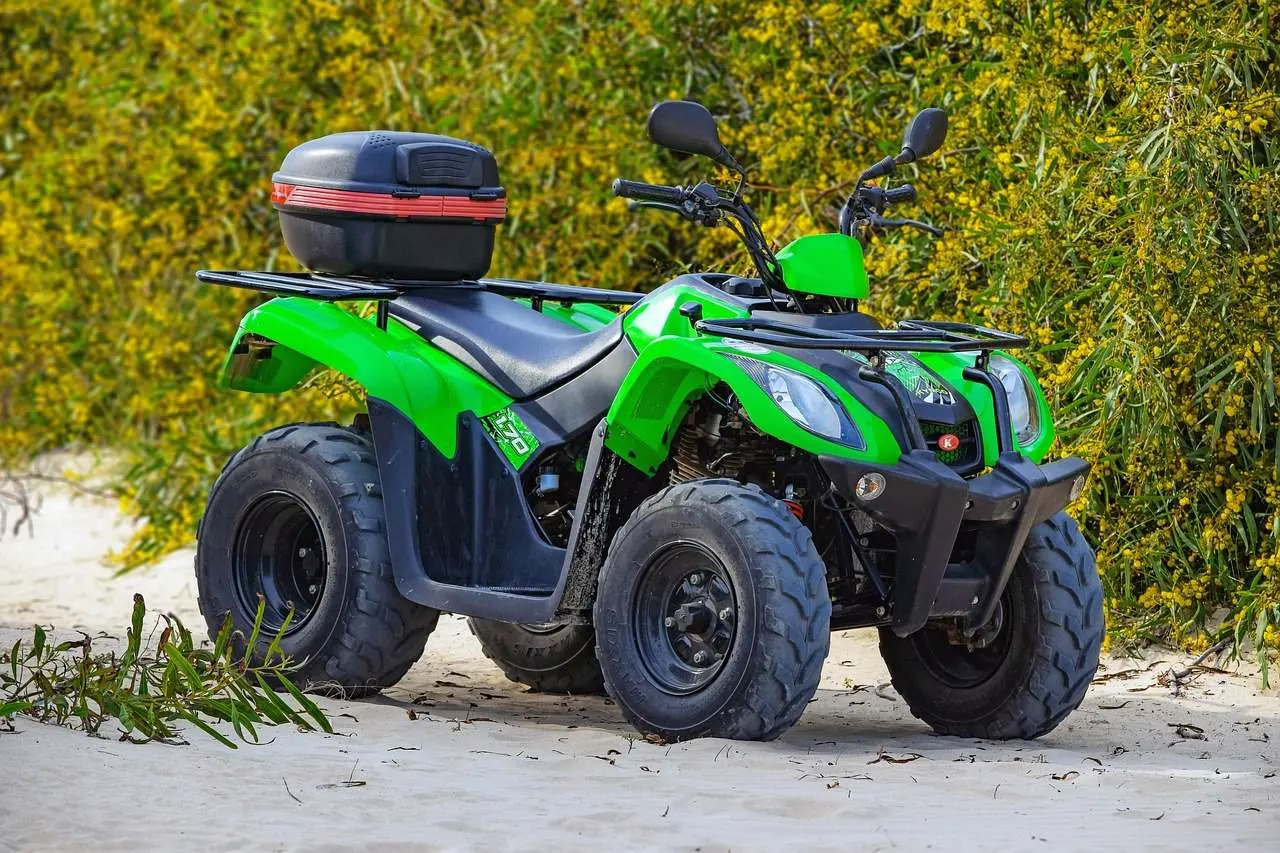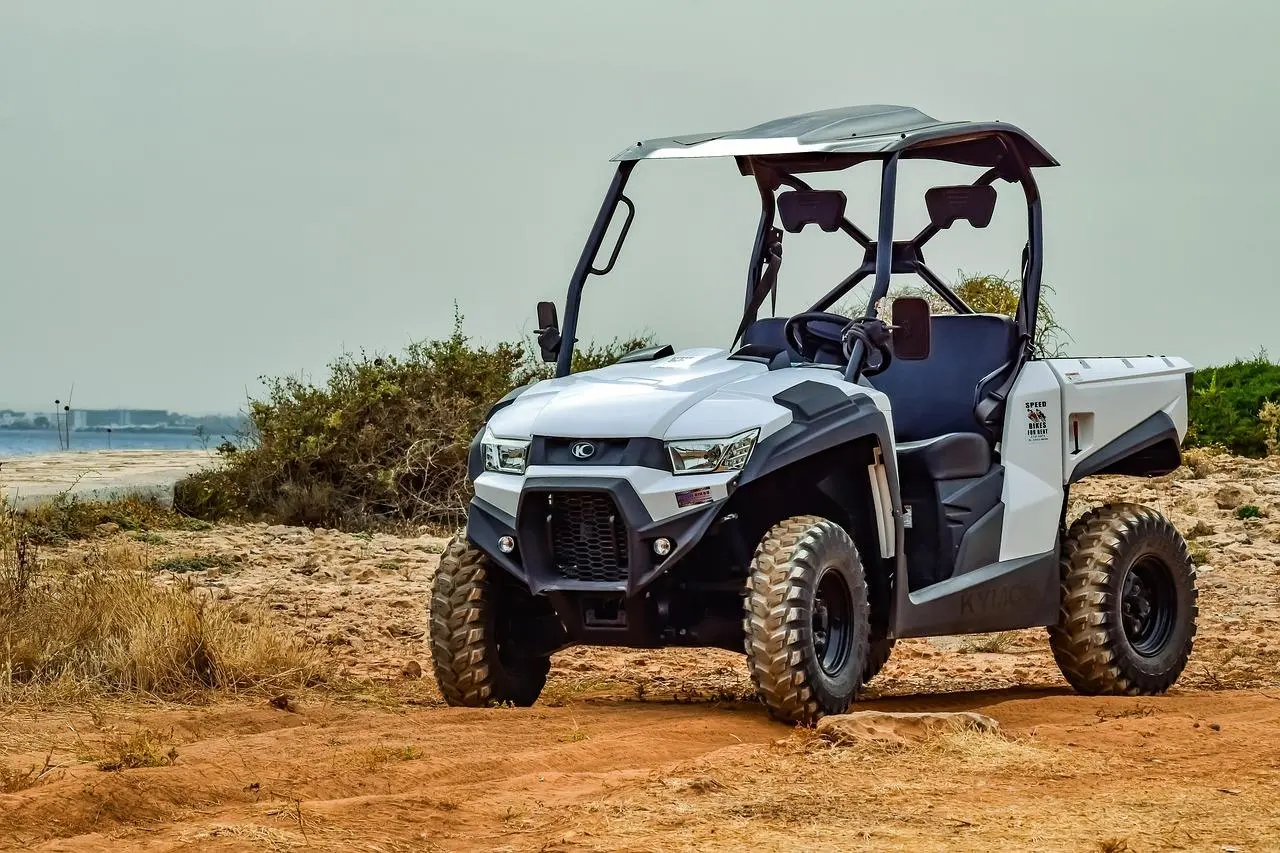
Stuck on ATV vs UTV? You ride an ATV astride and steer with handlebars; a UTV has seats, automotive-type controls and a top speed of 30 mph or less. Seating, controls and speed are the main dividing lines.
If you are still early in the process, start with our guide on how to buy an atv, then come back here to compare the two body styles.
| Item | Value |
|---|---|
| ATV seating | Straddle seat for the operator |
| ATV steering | Handlebars |
| ROV and UTV seating | Bench or bucket seating for two or more occupants |
| ROV and UTV protection | Rollover protective structures (ROPS) and occupant restraint |
| ROV top speed capability | Greater than 30 mph |
| UTV top speed | 30 mph or less |
These definitions come from the Consumer Federation of America’s page on types of off-highway vehicles, which cites US Consumer Product Safety Commission (CPSC) documents. Definitions and figures can change, so check the source before you rely on them.
What do ATV, ROV and UTV mean?
Everyday talk often blurs these labels, so it helps to start from a written definition. The CFA page quotes the CPSC’s ATV definition from its 2013 annual report and then gives separate definitions for two side-by-side style categories.
- ATV: an off-road, motorized vehicle with three or four low-pressure tires, a straddle seat for the operator, and handlebars for steering control (CFA).
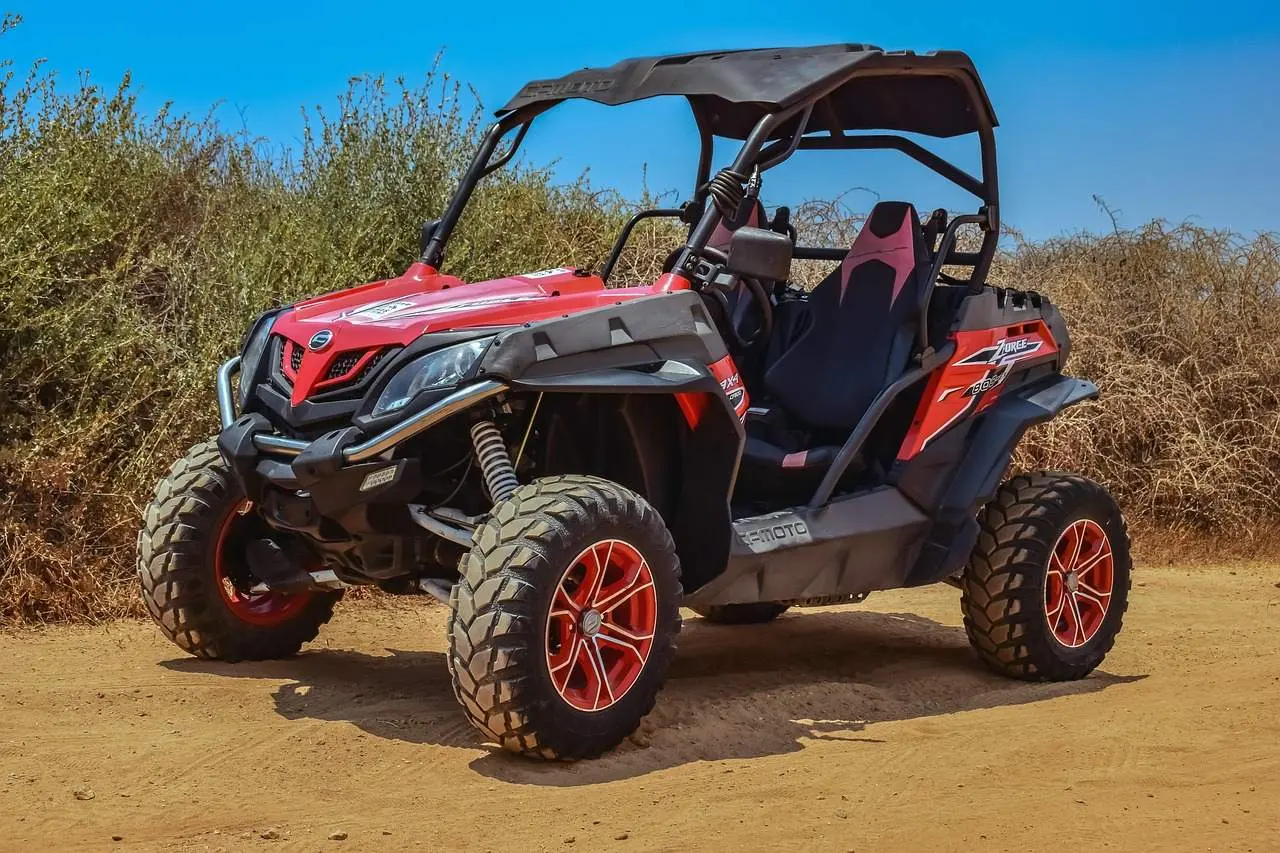
- ROV (recreational off-highway vehicle): four or more wheels with low-pressure tires, bench or bucket seating for two or more occupants, automotive-type controls, ROPS, occupant restraint, and a speed capability greater than 30 mph (CFA).
- UTV (utility task vehicle): the same design elements as an ROV, but with a maximum speed of 30 mph or less (CFA).
Notice that the ATV definition allows three wheels as well as four. The two seated categories start at four wheels.
How do seating and controls change the way you use them?
The biggest practical difference is the seat. An ATV is defined by a straddle seat “for the operator”, so the rider sits astride the machine and the definition says nothing about passengers. A UTV or ROV is defined by bench or bucket seating for two or more occupants.
Controls differ just as clearly. On an ATV you steer with handlebars. On the seated categories the definition calls for automotive-type controls for steering, throttle and braking, which changes how you sit, reach and react.
Protection is the third gap. Rollover protective structures and occupant restraint appear in the ROV definition, and a UTV shares those design elements. The ATV definition lists neither.
Is speed what separates a UTV from an ROV?
According to the CFA summary, speed is the only design line drawn between those two. An ROV is capable of more than 30 mph, while a UTV tops out at 30 mph or less.
Because the other design elements match, a seller or a manual may use its own wording. Ask which definition a listing relies on, and check the maker’s specifications rather than the label alone.
How to choose between an ATV and a UTV
Work through the questions below in order. Each one maps to a difference in the definitions.
- Who rides? A solo operator fits the straddle-seat design; regular passengers point towards bench or bucket seating.
- How do you want to control it? Decide between handlebars and automotive-type controls.
- What protection do you expect? Check whether the vehicle has ROPS and occupant restraint, which the seated definitions include.
- Does the speed category matter to you? Confirm whether the model is rated as a UTV or an ROV.
- Which size suits the job? Engine capacity is a separate question, covered in our guide on what size atv engine do i need.
If you lean towards the straddle-seat route, our overview of the types of atvs shows how that category breaks down further.
Safety, licensing and the law
The CFA page is blunt on risk. It says all of these vehicles carry risks of serious injury and death “when not used properly or with the appropriate safety equipment” (CFA). That applies whichever type you pick.
Rules on registration, licensing, insurance, minimum rider age and where you may ride vary by place, and this site cannot advise on them. Ask your local transport or land-management authority, and speak to an insurer or legal professional for specifics. For any injury, contact a medical professional.
Frequently asked questions
Is a UTV just a bigger ATV?
Show answer
Not under the definitions the CFA cites. An ATV is built around a straddle seat and handlebars, whereas a UTV is built around bench or bucket seating and automotive-type controls.
Which one can seat more than one person?
Show answer
The ROV and UTV definitions both specify seating for two or more occupants. The ATV definition describes a seat for the operator only.
Is a UTV slower than an ROV?
Show answer
By the CPSC wording that CFA reproduces, yes: a UTV is limited to 30 mph or less, and an ROV exceeds that threshold.
Do I need a licence or insurance for either?
Show answer
That depends on where you live and where you ride. Contact your local authority and an insurance professional before you buy.