Worried you’ll buy the wrong size? If you’re asking what size ATV engine do I need, start with the rider’s age: under 70 cc for ages 6 to 11, 70 to 90 cc for 12 to 15, over 90 cc from 16.
This guide sits inside our wider walk-through of how to buy an atv, so read the two together.
| Item | Value |
|---|---|
| Rider under 6 years | No operation recommended |
| Ages 6 to 11 | Under 70 cc |
| Ages 12 to 15 | 70 to 90 cc |
| Age 16 and older | Over 90 cc |
| AAP advice on operating an ATV | Children under 16 should not be allowed to operate one |
| Adult-sized ATV weight | Over 800 lbs |
These figures come from the Extension youth ATV safety guide and the American Academy of Pediatrics page on HealthyChildren.org. Figures and guidance can change, so check the source before you rely on them.
Engine size by rider age
The Extension guide publishes a chart that pairs rider age with engine size. It describes the chart as a guideline for the most appropriate-sized ATV engine compared to the youth’s age.
- Under 6 years: no operation recommended.
- Ages 6 to 11: under 70 cc.
- Ages 12 to 15: 70 to 90 cc.
- Age 16 and older: over 90 cc.
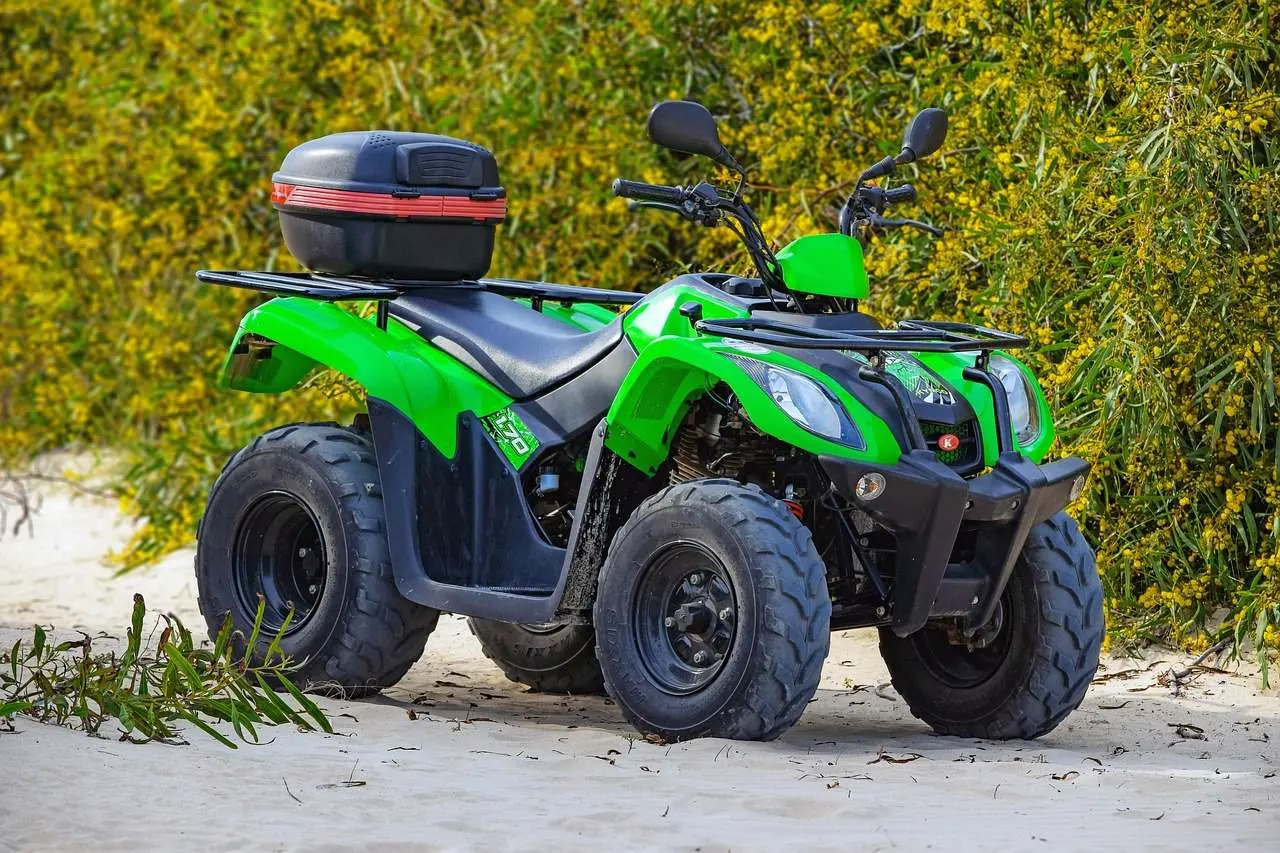
Most ATVs are labeled with a recommended age for that model, so the label is a good first check. According to the Extension guide, Y-6 models (under 70 cc) suit ages 6 to 11, and Y-12 models (70 to 90 cc) suit ages 12 to 15.
The same guide notes that the U.S. Consumer Product Safety Commission says children under 6 should never be on an ATV.
Where the age and cc pairing comes from
The pairing has a regulatory history. A 2006 notice in the Federal Register explains that Consent Decrees filed on April 28, 1988 were effective for ten years.
Under those decrees, distributors agreed to represent affirmatively that ATVs of 70 to 90 cc should be used only by riders aged 12 and older. They said the same for ATVs larger than 90 cc and riders aged 16 and older, as the notice records.
That notice, dated August 10, 2006, was a proposal for rules covering single-rider ATVs, tandem ATVs and ATVs intended for children under 16 years of age. This guide does not say which rules ended up in force, so ask the Consumer Product Safety Commission if you need the current legal position.
What the AAP says about riders under 16
The AAP page takes a stricter line than the engine chart. It says the American Academy of Pediatrics recommends that children under 16 should not be allowed to operate an ATV.
On the same page, the AAP reports that from 1985-2015, ATV crashes killed more than 3,000 children under the age of 16. It also says more than 90% of deaths and injuries among ATV riders younger than 16 have occurred when they were on adult-size vehicles.
For ages 6 to 11, the AAP says youth models exist but their safety is unknown and kids this age still have many limitations. It adds that it is best not to allow children this age on ATVs at all.
For ages 12 to 15, it advises keeping children on youth models. It states that 98% of deaths and injuries in this age group happen on adult vehicles, even though some kids may fit adult ATVs properly.
Is your child ready for the ATV you are considering?
Age and cc are only part of the picture. The Extension guide warns that age is the easiest factor to identify but should not be the only one, because states may set their own allowable ages. Its physical-fit checks are:
- Standing on the footrests with hands on the handlebar, is there at least 3 inches of clearance between the seat and the child’s pants?
- Can the child operate the throttle and brake lever with one hand?
- Can the child shift the ATV’s weight side to side by shifting their own weight?
The same guide says controls such as throttle limiters, exhaust restrictors and remote shut-off switches are available to help adults regulate beginning operators. For beginners it suggests a single speed automatic transmission and no carrier rack.
It also calls a helmet the most important piece of personal protective equipment. It cites a Consumer Product Safety Commission figure that in 2008, more than 37,000 youth under the age of 16 were treated in hospital emergency rooms across the country due to ATV-related injuries.
Choosing an engine size as an adult
The sources behind this guide focus on young riders, so they offer no displacement advice for adults. What they show is that the over 90 cc band applies from age 16, per the Federal Register notice.
Size is also a weight question. The AAP page notes adult-sized ATVs can weigh over 800 lbs and reach speeds over 70 mph, so treat a bigger engine as more machine to handle, not a free upgrade.
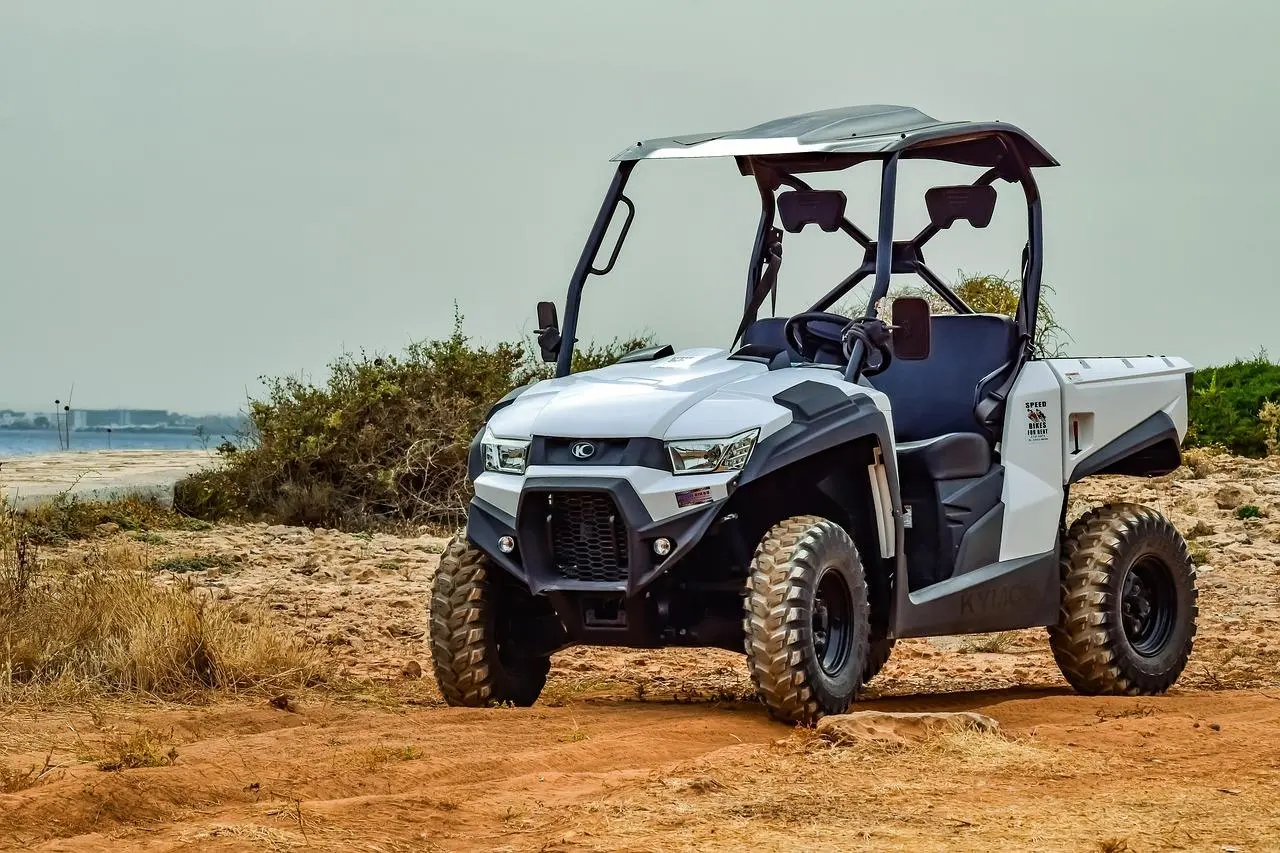
Drivetrain is a separate decision from displacement, and our guide to the 4×4 vs 2wd atv choice covers it. If you need seats or cargo space, the atv vs utv comparison explains when another vehicle type may suit you better.
For licensing, insurance or where you may legally ride, check with your state or local authority and a qualified professional.
Frequently asked questions
Which engine size fits a child aged 6 to 11?
Show answer
The Extension chart lists models under 70 cc for this group. The AAP goes further and says it is best not to put children of this age on an ATV at all.
Is a bigger engine better for an adult?
Show answer
Not automatically. The sources supplied here do not rank adult displacement sizes, and they do point out that larger machines are heavier and faster, so match the vehicle to your skill and use.
Can a speed limiter make a larger ATV safe for a child?
Show answer
A limiter helps, but it does not replace choosing the right size. The AAP page says to set and enforce limiter settings on youth models for noncompetitive riding, which assumes the child is already on a youth-size machine.
Who decided which cc range goes with which age?
Show answer
The pairing traces back to commitments distributors made in a settlement filed on April 28, 1988, as described in the Federal Register notice. Check your state’s rules too, since they can differ.