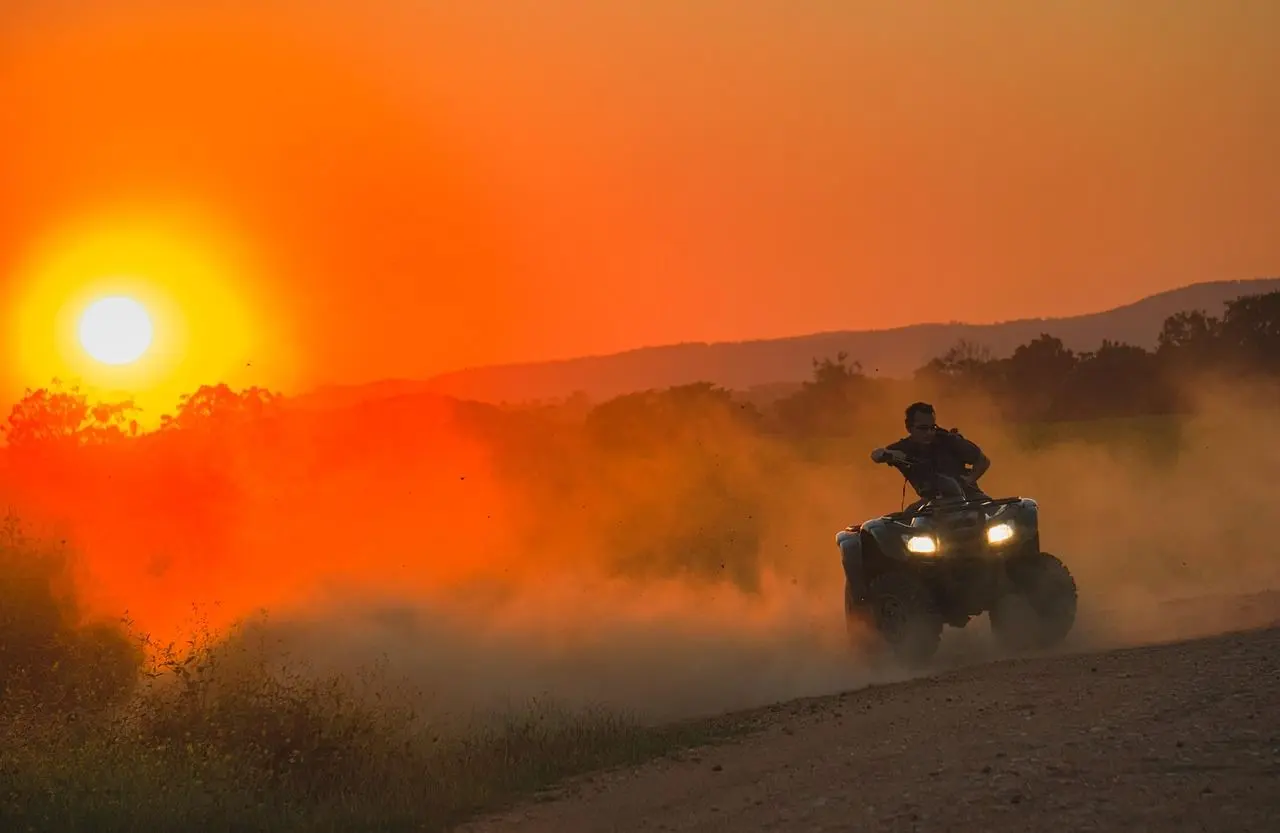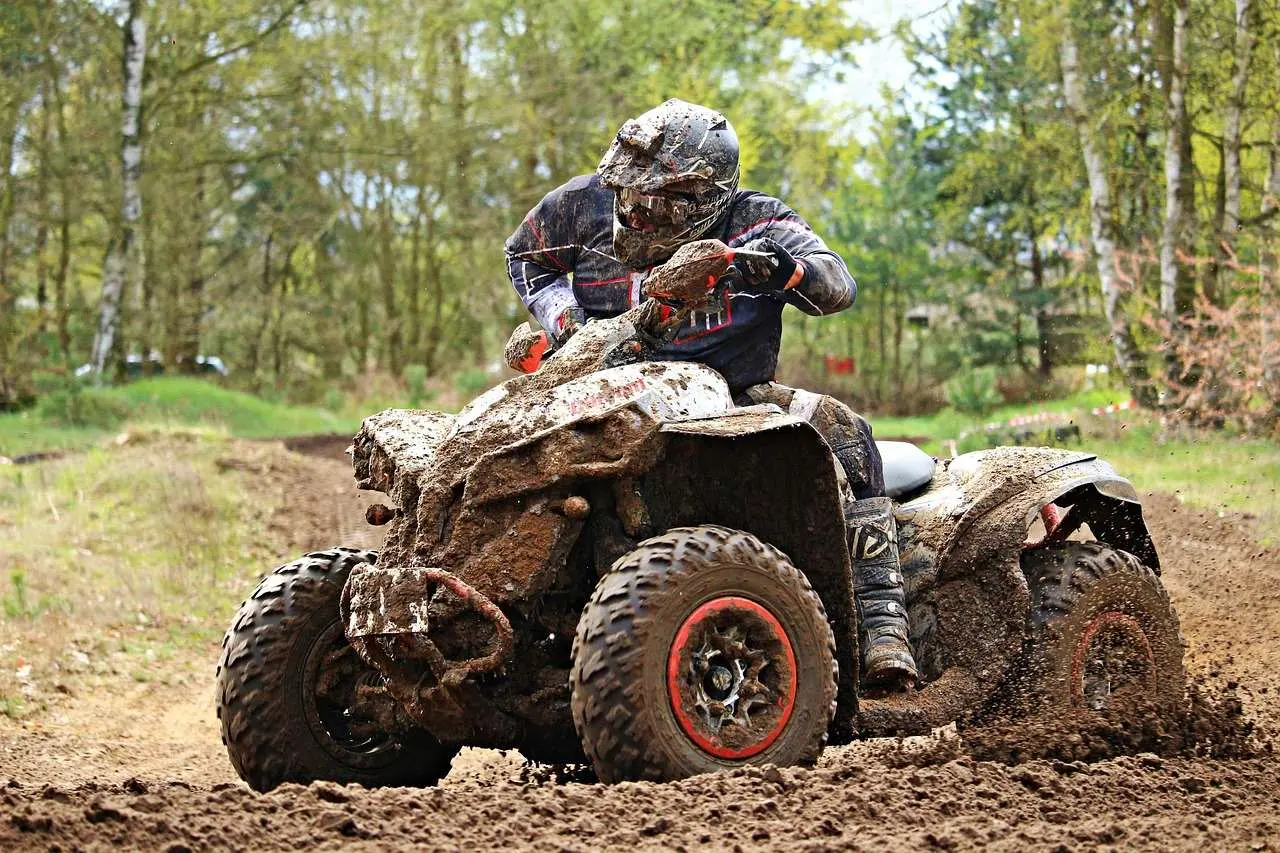
Staring at a mud-caked quad? Here is how to clean an ATV: let it cool, rinse gently, wash from the top down with mild soap, keep water out of the vents, then dry it fully.
This page sits inside the wider topic of atv maintenance, which covers routine care beyond washing.
| Item | Value |
|---|---|
| Bucket for wash solution | 5-gallon bucket |
| Engine before rinsing | Cooled down completely |
| Water pressure for rinsing | Moderate |
| Where not to spray water | The PVT vents |
| Drying tool | Microfiber cloth or towel |
These figures come from an ATV.com washing guide and a Polaris owner’s manual. Guidance can change, so check the sources before you rely on it.
Why washing helps and what you need
A Polaris owner’s manual says that keeping a vehicle clean improves its appearance and can extend the life of various components, as the Polaris manual puts it. Washing also gives you a chance to look the machine over.
The ATV.com guide suggests gathering your kit before the first splash:
- A hose
- A soft-bristled brush or sponge
- A bucket
- Cleaning solution or mild soap
- A degreaser
- A microfiber cloth or towel
- Optionally, a lubricant or protectant for metal surfaces
The same guide calls a 5-gallon bucket a good catch-all for easy washing. Some companies also sell ATV-specific cleaning solutions.
Let it cool, then rinse gently
Give the machine time to cool down completely first. According to ATV.com, a hot engine makes water evaporate quickly and can leave water spots or streaks.
Start with the hose to knock off loose dirt, mud and debris. Keep the pressure moderate so water is not forced into bearings or electrical components. The guide adds that practice varies by region and by place, since some locations have on-site washing stations.
Wash from the top down
Work through the machine in a steady order so dirty water never runs over parts you have already cleaned:
- Mix the cleaner as the manufacturer directs, or dilute mild soap in a bucket of water.
- Apply it starting from the top and working down.
- Scrub stubborn grime gently with a soft-bristled brush or sponge.
- Pay attention to wheel hubs, brakes, axles, u-joints and radiators.
- For heavy grease, apply degreaser, let it sit a few minutes, then scrub gently with a different brush.
- Rinse with clean water until all the soap is gone.
All of these steps follow the ATV.com guide. It warns that leftover residue can affect the finish, and says a power washer is acceptable only if used safely and at a pressure that will not hurt the machine.
Keep water out of sensitive parts
A Polaris notice warns that water in the PVT system could make the drive belt wet so that it slips in the clutches. It says to always avoid spraying water into the vents, according to the Polaris manual.
The same manual says high water pressure may damage radiator fins. The ATV.com guide agrees that a pressure washer needs caution because high pressure can force water into sensitive components.
Treat the Polaris text as one model’s instructions. Your own owner’s manual is the best place to confirm what applies to your machine, and ATV.com also advises checking it for cleaning and product recommendations.
Dry, protect and inspect
Dry the machine with a microfiber cloth or towel to prevent water spots and corrosion, and look at hidden spots where water can collect. Then let it air dry for a while so any remaining moisture can evaporate, as the ATV.com guide advises.
A protectant is optional. Once the machine is completely dry, ATV.com suggests applying a protectant or lubricant to metal surfaces, using a product the manufacturer recommends. Keep it off brakes and tires.
Silicone spray or ATV wax can protect plastic, metal and rubber. The guide says this helps against fading, cracking and corrosion, but only in a limited capacity.
Finish with a final inspection. A clean machine makes signs of damage or wear much easier to spot, and the guide calls this an excellent moment to check for them.
After the wash
Avoid harsh chemicals and abrasive tools that could damage the finish, and wash after rides to prevent dirt buildup and corrosion, as ATV.com recommends.
If the machine will sit unused, the guide suggests a dry, covered spot with a breathable cover. It also recommends rodent repellent to protect wires and insulation. For a longer layup, read how to store an atv for winter.
If the engine is slow to respond after a wash, the guide on an atv won’t start walks through troubleshooting. For injuries or anything beyond basic cleaning, consult a qualified technician.
Frequently asked questions
Can I use a pressure washer on an ATV?
Show answer
It can be done, but only gently. The ATV.com guide says the pressure must be low enough not to harm the machine, and Polaris notes that strong spray can hurt radiator fins.
Should I wash an ATV while the engine is still hot?
Show answer
Wait for it to cool. Heat dries water almost at once, which is how streaks and spots get left on the surface.
What soap should I use?
Show answer
Mild soap diluted in water works, as does a cleaner mixed to its maker’s directions. Harsh chemicals and abrasive tools are best avoided.
Where can I find advice for my exact model?
Show answer
Your owner’s manual. Polaris tells riders to always follow the warnings and instructions in it.
Do I need a cover after washing?
Show answer
Only if the machine will sit for a while. A breathable cover helps keep dust off a clean machine, according to ATV.com.