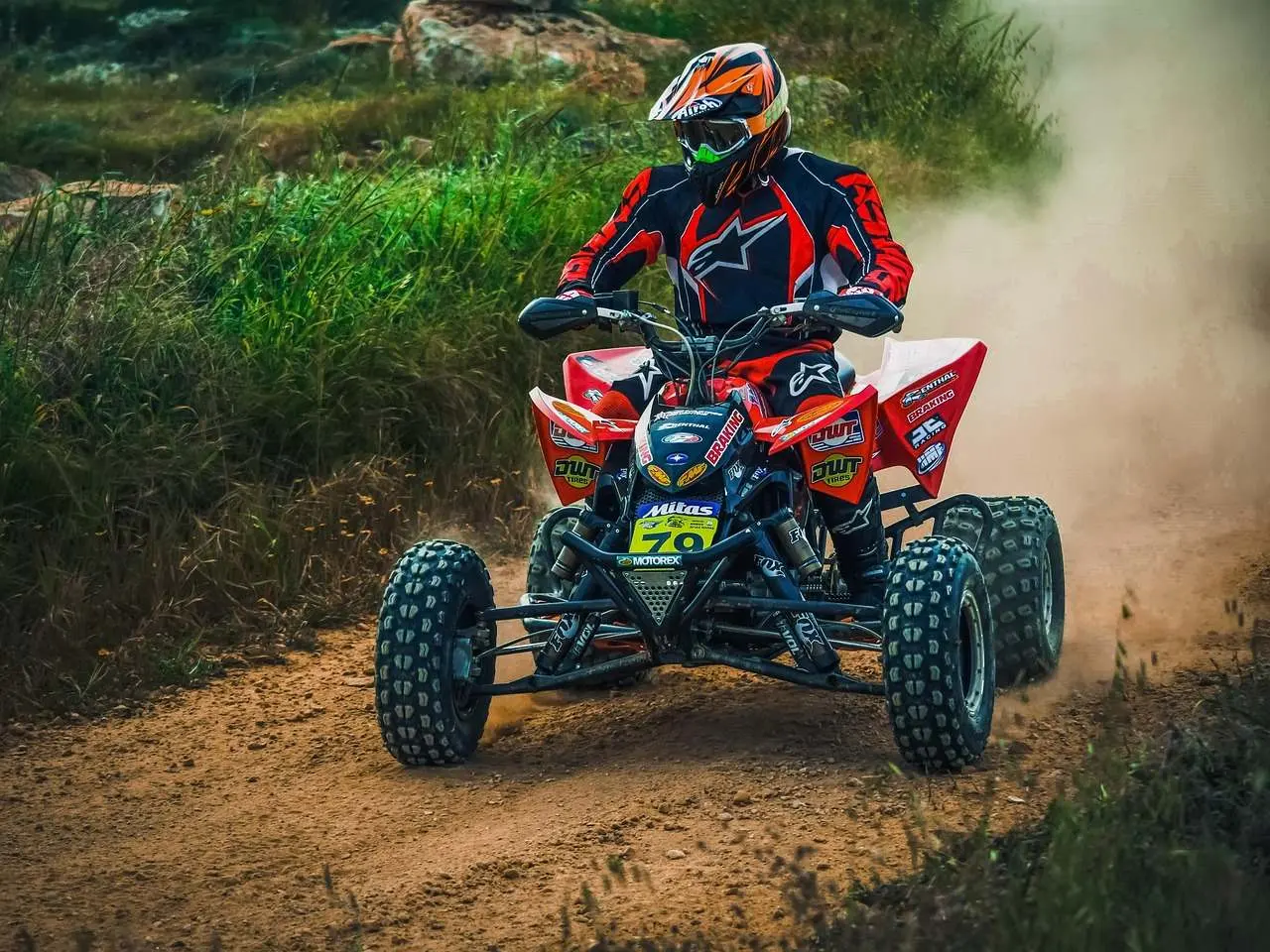
Wondering what to wear when riding an ATV? You need a certified helmet, eye protection, gloves, long sleeves, long pants and over-the-ankle boots, chosen for the weather you’ll face.
Gear is one piece of learning how to ride an atv safely, alongside training, machine fit and sensible speed.
| Item | Value |
|---|---|
| Helmet certification marks named by one children’s hospital | DOT, ANSI or Snell |
| Fatal head injury risk with helmet use | Reduced by about 40% |
| Brain injury risk with helmet use | Reduced by about 60% |
| Pediatric ATV and UTV crash victims wearing helmets | Fewer than 25% |
| Reported ATV fatal incidents, 2019 through 2021 | 1,728 fatal incidents |
The figures come from the University of Iowa Stead Family Children’s Hospital and State Farm. They can change, so check the sources before you rely on them.
Why does protective gear matter on an ATV?
ATV crashes can happen suddenly, even at low speeds, and the hospital’s guidance says proper protective gear reduces the risk of head injury, fractures and severe cuts. Gear also keeps you comfortable and focused, which helps you stay in control on rough ground.
State Farm, citing a 2024 report from the U.S. Consumer Product Safety Commission, says ATVs caused a reported 1,728 fatal incidents from 2019 through 2021. It lists overturning and collisions with stationary objects or other vehicles as the major hazards behind those deaths.
On helmets specifically, the hospital states that wearing one cuts the risk of fatal head injuries by about 40% and brain injuries by about 60%. Yet fewer than 25% of the pediatric crash victims it describes were wearing a helmet when they were hurt.
Helmet and eye protection: what to choose
A helmet is the most important piece of kit, according to the hospital, and it should carry a recognised certification. The hospital names DOT, ANSI or Snell, while Honda’s UK guidance points to the Economic Commission for Europe (ECE) standard. Our separate guide to choosing an atv helmet covers fit and features in more detail.
The style you pick changes how much else you need to wear:
- Full-face: the hospital says this style provides the best protection.
- Open-face: pair it with goggles or a face shield, as the hospital advises.
- Bicycle helmet: not a substitute, because these are not designed for high-speed or rollover crashes.
For your eyes, the hospital recommends impact-resistant, shatterproof goggles or face shields, which guard against dust, debris and branches. It adds that sunglasses and eyeglasses are not sufficient for protection.
Clothing, gloves and boots
Your clothing is the layer between your skin and the engine, the trail and the weather. Work through it from the top down:
- Long sleeves and long pants. Covering your arms and legs protects skin against burns from the engine or exhaust, and cuts and scrapes from debris, according to the hospital.
- Durable fabric. The hospital mentions denim or abrasion-resistant fabrics as better protection than thin layers.
- Gloves. They can prevent blisters, cuts and abrasions, and they improve your grip on the handlebars.
- Over-the-ankle boots. State Farm lists them with its protective gear, and the hospital says proper footwear helps prevent foot and ankle injuries from debris, crashes or rollovers.
Honda’s UK guidance adds that you should avoid bulky clothing that limits your movement or makes it harder to steer. It also says foot positioning and grip are crucial for safe riding.
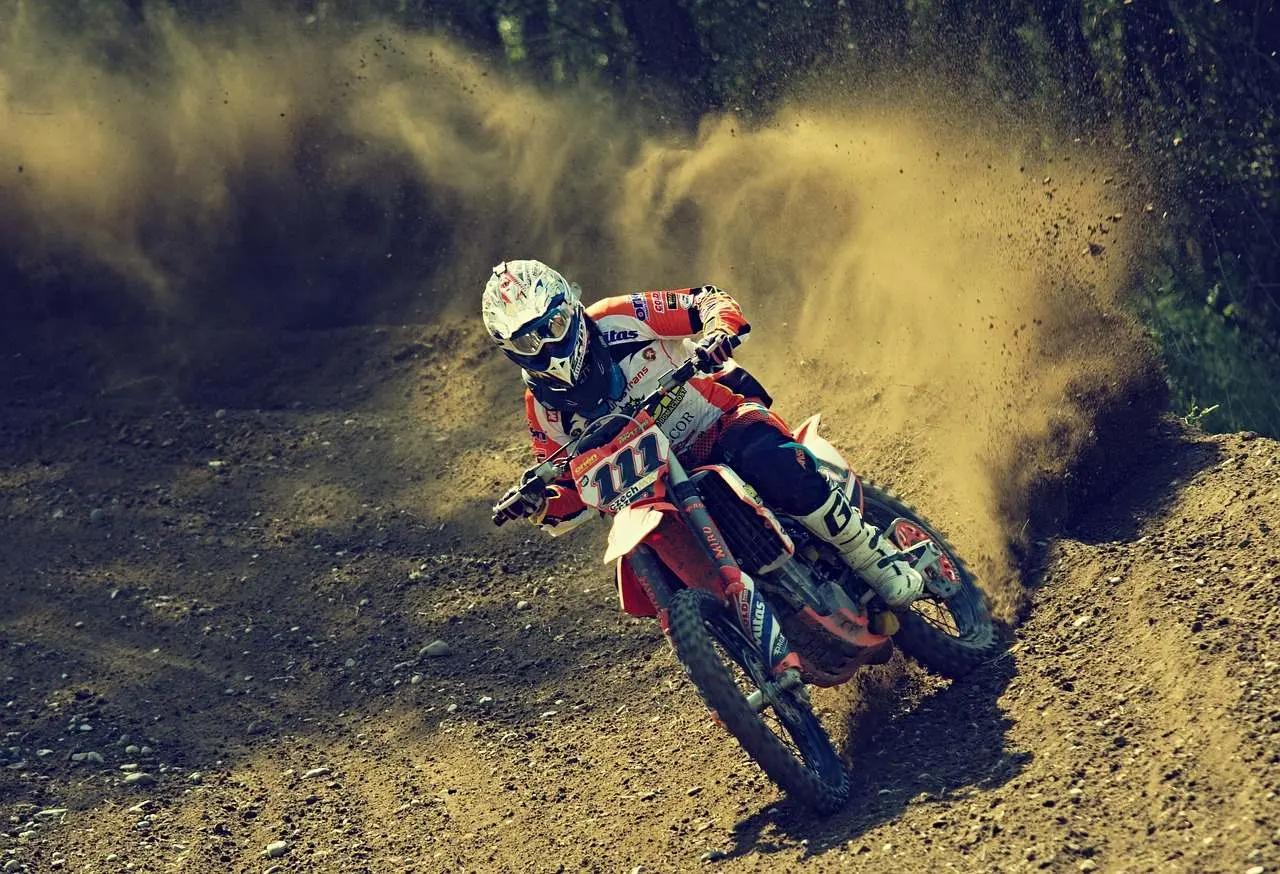
Match your layers to the day. State Farm notes that having the right gear matters so that you are warm or cool enough for the duration of the ride.
Common myths and clothing mistakes
Several habits keep riders under-protected. These are the ones the sources call out:
- “I only ride on my own land.” The hospital says most serious injuries occur on private land, where riders may take more risks and emergency care may be delayed.
- “Gear is too restrictive.” The hospital says modern gear is designed for comfort and mobility while still providing protection.
- Loose clothing. Honda’s guidance warns that baggy or dangling items can get caught in controls, branches or moving parts.
- Trainers or open footwear. Honda says they offer no stability or protection.
Tyre pressure, training and local rules
Honda’s UK guidance calls tyre pressure an often overlooked safety item. It says correct pressure significantly reduces the risk of incidents, especially on challenging or unpredictable terrain, and that EASI guidelines and Honda owner’s manuals both strongly recommend pressures suited to the vehicle, terrain and workload.
For model-specific guidance, Honda says to consult your owner’s manual before use. That applies to whichever machine you ride.
Taking an atv safety course is a practical way to learn more, since State Farm says some courses may also review information about ATV safety gear, local regulations, places to ride and environmental concerns. For the rules where you ride, ask your local authority: State Farm points out that off-road vehicle requirements vary by state.
Frequently asked questions
Is a bicycle helmet good enough for an ATV?
Show answer
No. Cycling helmets are built for a different kind of impact than a quad rollover, so choose one certified for motorised off-road use instead.
Can I wear sunglasses instead of goggles?
Show answer
The hospital’s guidance rules this out: it says sunglasses and eyeglasses do not give enough protection. Pick impact-resistant goggles or a face shield, particularly with an open-face helmet.
Do I need full gear for a short ride on private land?
Show answer
Yes. Short, familiar rides still carry the same hazards, and the hospital warns that help may take longer to reach you on private property.
What should I wear in hot or cold weather?
Show answer
Keep the same protective core and adjust the layers beneath it. Honda’s guidance says proper layers, gloves and eyewear help you stay comfortable and focused from bright sunshine to biting cold.