Wondering if you’re ready to ride? An ATV safety course gives you hands-on practice with a licensed instructor. The ATV RiderCourse is a half-day class, and this guide shows what it covers and how to find one.
For the fundamentals, start with the guide on how to ride an atv, then come back here to see how formal training fits in.
| Item | Value |
|---|---|
| Class format | Hands-on, half-day class with a licensed ATV Safety Institute instructor |
| Parent must be present | Riders under 12 |
| Parent encouraged to be present | Riders under 16 |
| Valued price, youth 6-15 years of age | $55 |
| Valued price, riders over 15 | $75 per person |
| Possible fee for an employer-requested class | $150 per rider |
These figures come from the Mississippi State University Extension FAQ and the ATV Safety Institute’s work-training page. They can change, so check the source before you rely on them.
What an ATV safety course actually is
The best-known format in the sources is the ATV RiderCourse. The Mississippi State University Extension Service describes it as a hands-on, half-day class conducted by licensed ATV Safety Institute (ASI) instructors, according to its course page.
The setting matters as much as the format. The same page says students practise basic riding skills in a controlled environment under the direct supervision of a licensed instructor.
ASI’s own page treats training as something you keep up. It says proper training and continued practice are the best way to develop the skills needed to ride safely under all conditions, and that the more skilled you become, the more you will enjoy your ATV, for recreation or work.
What the course covers
The Extension description lists the riding skills a student works through, in a single session:
- A pre-ride inspection
- Starting and stopping
- Quick turns
- Hill riding
- Emergency stopping and swerving
- Riding over obstacles
Riding drills are only part of it. The course also gives information about protective gear, local regulations, places to ride and environmental concerns, per the same page.
That last topic is worth following up on your own, since the right place depends on where you live. Our guide to where can i ride my atv is a good next read.
Mississippi’s program states its goals plainly: hands-on training, better decision-making, changed negative ATV-related behaviors, and fewer injuries and deaths in the state. Those are the program’s stated aims, not a promise about any one rider, as the course page frames them.

What to wear and which machine to bring
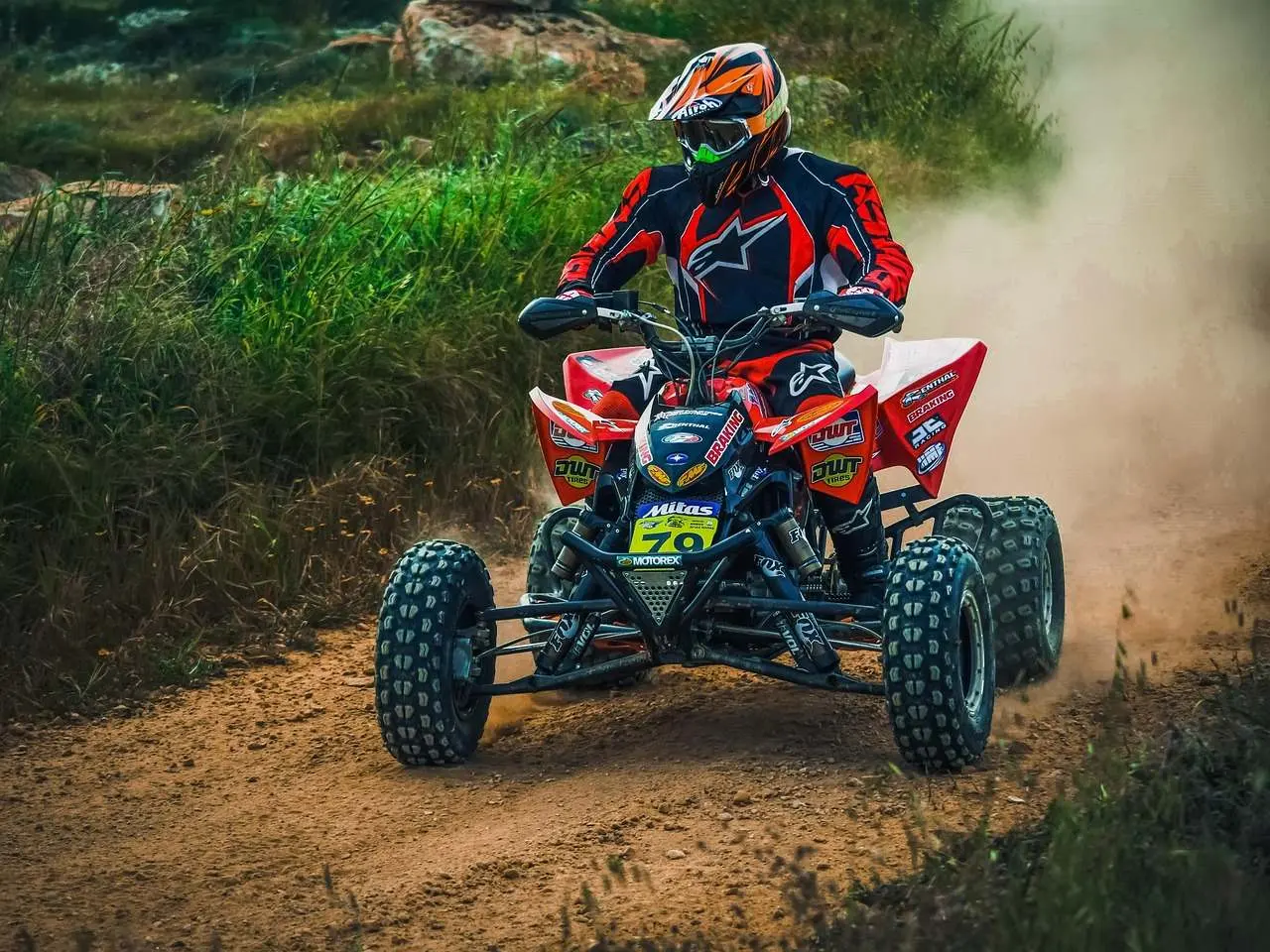
Training is not a place to cut corners on kit. The Extension FAQ says participants must wear proper riding gear at all times during the training, including the following:
- A DOT-approved motorcycle helmet
- Sturdy gloves
- Goggles or a face shield
- Over-the-ankle boots
- Long pants
- A long-sleeved shirt or jacket
If you lack something, the FAQ says to contact the instructor, because specific gear can be arranged. For a wider look at kit beyond the class, read about what to wear when riding an atv.
You can bring your own machine, as long as it is the appropriate size for the rider under ASI’s standards. If it is not, the participant can make arrangements with the instructor and one will be made available at the training site, says the same FAQ.
Who can take it, and what does it cost?
Young riders can attend with a parent nearby. A parent must be present for riders under 12, and parents are encouraged to be present for riders under 16, per Mississippi State Extension.
On price, ASI has valued the course at $55 for each youth 6-15 years of age and $75 per person for those over 15, according to the same FAQ. That is a valuation, not a universal fee, and the Mississippi program does not charge because a grant covers expenses.
Other providers may price differently, so ask the organiser for the current fee before you commit.
Training for work use
ASI also offers the half-day class to employers. Its work-training page calls it an opportunity for employees to build safety knowledge, practise basic riding skills, or recertify annually in a controlled riding environment, and it says a $150 per rider fee may apply, as listed on that page.
Employers request a class through a form on that page. Workers need the same type of protective items, plus the owner’s manual for each ATV they bring.
How do you find a course?
Start with whoever delivers training near you, then check the details before you sign up.
- In Mississippi, contact your local Extension office or the state youth program office, which the Extension FAQ names as the route to enrolling in a nearby class.
- Elsewhere, look for a class taught by an ASI-licensed instructor, the credential the sources describe for the RiderCourse.
- Ask what gear you must wear and whether a machine in your size is provided.
- Confirm the fee and any age or parent rules before you book.
For licensing, insurance or the law where you ride, ask your local authority or a qualified professional. A course teaches skills, and it does not replace those answers.
Frequently asked questions
Do I need my own ATV to take a course?
Show answer
No. If you have one, it needs to suit your size under ASI’s standards. Without one, you can ask the instructor to arrange a machine at the training site.
Is one class enough to make me a skilled rider?
Show answer
ASI’s position is that skill comes from training plus continued practice. Treat the half-day class as a start, then keep practising what you learned.
Can a child take the course alone?
Show answer
Not if the child is under 12, since a parent must be there, according to Mississippi State Extension. For older children below 16, a parent’s presence is encouraged.
Does the course teach local rules?
Show answer
It offers information on local regulations, but the law is set by your own authorities. Check with them directly for anything binding where you ride.