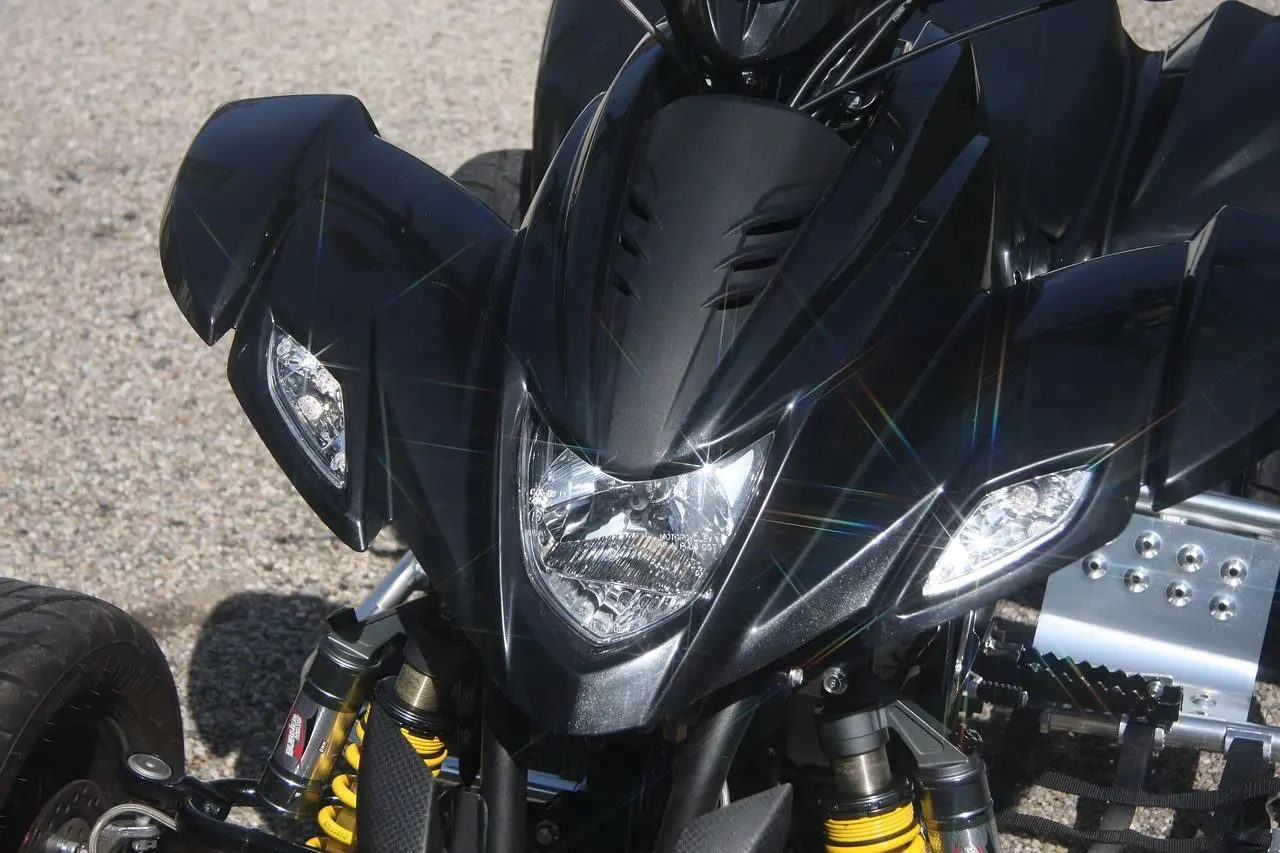
Not sure what to check when buying a used ATV? Start with damage, fluids, mud signs and a test ride, then talk price. This checklist walks you through each step so you can spot problems before you pay.
If you are still at the planning stage, this guide on how to buy an atv covers the wider process.
| Item | What the source says |
|---|---|
| Cracked plastic bodywork | Not a reason on its own to dismiss a machine |
| Bent or misshapen A-arm | Can point to a bigger issue |
| Very dark engine oil | Often means it was not changed regularly |
| Air filter | Inspect inside and out for mud |
| Seller refuses a test ride | A hard pass |
These points come from ATV.com’s guide to buying a used ATV or SxS. Advice like this can change, so check the source before you rely on it.
Start with the obvious: damage and bodywork
Some dings and scratches come with any off-road machine, so cosmetic wear should not end your search. The ATV.com guide says not to dismiss a quad solely because of cracked plastic bodywork, as occasional wear is not uncommon (ATV.com).
On sport quads, the same guide says plastics can be replaced with readily available parts, which gives you room to bargain. On a side-by-side (SxS), replacing bodywork gets trickier, so decide beforehand whether you can live with it.
Older machines will usually show deeper scratches. Treat them as a sign of age and use, not as a verdict.
Look past the paint: suspension parts, repairs and tires
Serious damage matters more than scuffed paint. A scuffed A-arm is one thing, but a bent or misshapen one can point to a bigger issue.
Work through these questions while you walk around the machine:
- Have suspension and steering parts such as A-arms, trailing arms or tie rods been replaced? If so, ask why and who did the work.
- Was the repair done by the owner? That does not necessarily rule the machine out, but a serious inspection is warranted.
- Are the replacement parts of good quality? Aftermarket or OEM parts raise few red flags if the work is done right.
- How worn are the tires? Extremely worn tires on a newer machine are often a sign of very hard use.
Tires also tell you about the drivetrain. The source warns that big mud tires often require gearing changes, and if that work has not been done, the motor and transmission may have been taxed (ATV.com).
How do you spot mud damage?
Mud tires on a used machine suggest it has been exposed to mud at some point. Mud can ruin a machine that is not prepared for it, so look for signs before you hand over any money.
- Take out the air filter and inspect it closely, both inside and out. Mud sucked into the intake can mean trouble inside the engine.
- Look at the transmission fluid or oil if access is easy enough.
- If you can, pop off the belt cover and look for mud damage on the belt.
The guide notes this is less of an issue on select machines, especially those with sealed, oiled belt drives. Even so, if mud riding looks like a big part of the machine’s history, stay alert for any sign of mud intake.
What do the fluids tell you?
Any inspection of a used quad or side-by-side should include a look at the fluids. Pull the oil dipstick and wipe some on a clean paper towel. Check it for clarity and give it a sniff.
- A burned smell can mean the engine ran very hot for an extended period.
- Very dark oil often indicates it has not been changed regularly, which points to poor maintenance.
- Super fresh oil means it was changed just before you arrived.
With fresh oil, ask to start the machine and let it reach running temperature, then check the oil again. A seller who wants to sell shouldn’t have a problem with that.
Check the coolant level if the machine is liquid cooled, and look at every other fluid too. Letting the engine run for a while also helps you find out whether there is water in the fuel (ATV.com).
Ask for a test ride
A test ride shows problems that only appear when the machine is moving. According to the source, worn belts, bad transmissions and other issues will show themselves very quickly.
If you are looking at a side-by-side, the seller can ride along, but you should be the one driving. You don’t need a hard ride, but don’t baby the machine either.
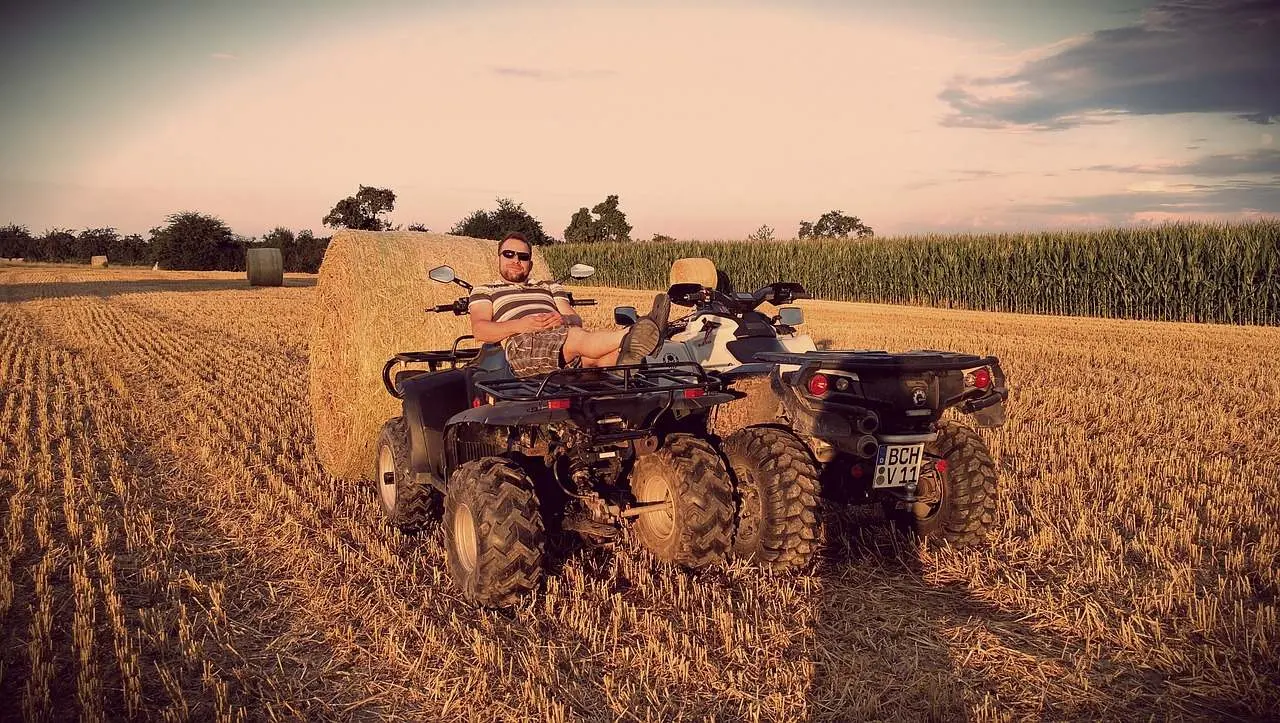
If the seller will not allow a test ride, the guide calls that a hard pass, especially when you have the cash in hand.
If the machine is for a young rider, the guide on what size atv for a child helps you match the machine to the rider before you inspect anything.
Talk price and know when to walk away
Decide your budget before you look, then revisit it after the inspection and test ride. A good deal may not be so good once you have driven the machine, so be ready to walk away.
Anything you find can become a point to negotiate, since you may want to talk about lowering the actual purchase price. The same guide advises against a crazy low-ball offer, and against overspending as a desperate buyer.
Buying used takes more vigilance than buying new, which is one reason many shoppers compare new vs used atv options before deciding. For questions about ownership paperwork, insurance or the law, ask the relevant authority or a qualified professional.
Frequently asked questions
Should I reject a quad with cracked plastics?
Show answer
Not automatically. Cosmetic cracks are common on machines that have been ridden off-road, so focus on whether the frame, suspension and engine are sound, then use the cosmetic flaws as a bargaining point.
What does dark oil on the dipstick mean?
Show answer
According to ATV.com, very dark oil often suggests the machine has not had regular oil changes. The guide treats that as a sign of poor maintenance and advises walking away.
The seller changed the oil just before I arrived. What now?
Show answer
Ask to start the machine and let it warm to running temperature. Then look at the oil again. A seller who is serious about selling should agree.
Does it matter who repaired a suspension part?
Show answer
Yes, so ask. Owner repairs are not an automatic dealbreaker according to the source, but they call for a closer look at the work and the parts used.
What if the owner will not let me try the machine?
Show answer
The guide’s advice is to pass on it. Riding or driving it is the only way to learn about faults that appear in motion.